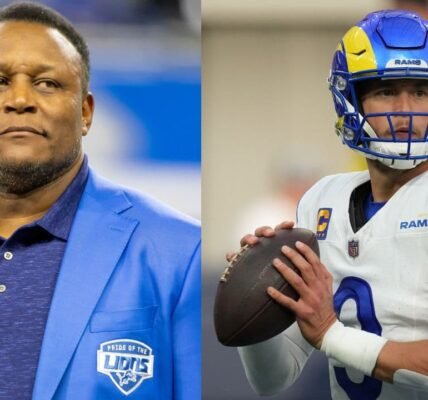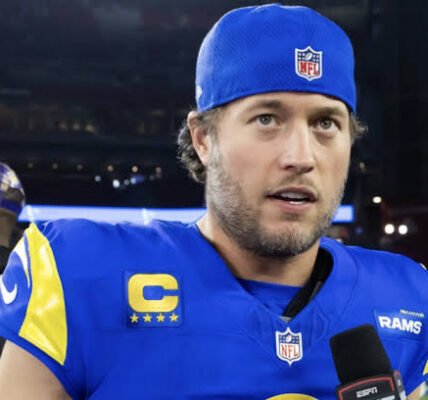
Matthew Stafford Emerges as the Biggest Beneficiary of the Rams–Lions Deal

Matthew Stafford’s career arc is a reminder that elite talent doesn’t always equal immediate success, especially when circumstances aren’t right. NFL history is filled with stars whose abilities outpaced the teams around them. Calvin Johnson became a Hall of Famer despite rarely playing meaningful January football. Steven Jackson spent his prime years carrying undermanned rosters. Even Tony Gonzalez, one of the best tight ends ever, finished his career with just a single playoff win.
For more than a decade, Stafford appeared destined for that same category. During his 12 seasons in Detroit, individual brilliance often came without validation. He earned only one Pro Bowl selection, even while producing massive numbers, including nearly 5,000 passing yards and a combined 61 touchdowns across the 2011 and 2012 seasons. His postseason résumé was thin: three playoff appearances, zero wins, and not a single MVP vote. The narrative around him increasingly resembled that of Carson Palmer — exceptional talent, limited payoff.
The constant refrain followed Stafford everywhere: imagine what he could do on a contender. In Detroit, he rarely enjoyed balance or stability. He played in just 11 games where a teammate rushed for 100 yards. It took until 2023 for Stafford to experience consecutive games with a 100-yard rusher — something most quarterbacks take for granted. Strong defensive support was also scarce, with only two seasons featuring a top-15 unit. Coaching turnover didn’t help either, as Stafford cycled through multiple head coaches and interim leaders, including Jim Schwartz, Jim Caldwell, Matt Patricia, and Darrell Bevell.
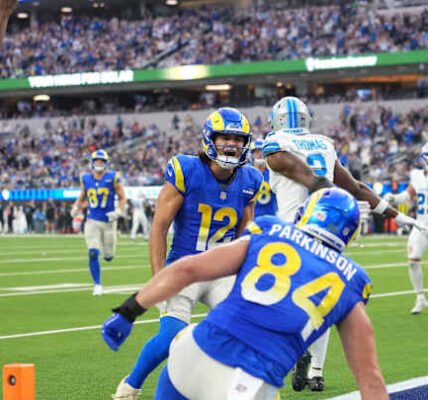
Everything changed when the Rams acquired Stafford in 2021. Los Angeles believed their roster was a quarterback away from championship contention, and Stafford immediately validated that belief. In his first season, he operated Sean McVay’s offense at a high level and helped unlock one of the most dominant wide receiver campaigns in NFL history, as Cooper Kupp captured the receiving triple crown. The Rams’ offense became one of the league’s most dangerous, built around Stafford’s arm talent and football IQ.
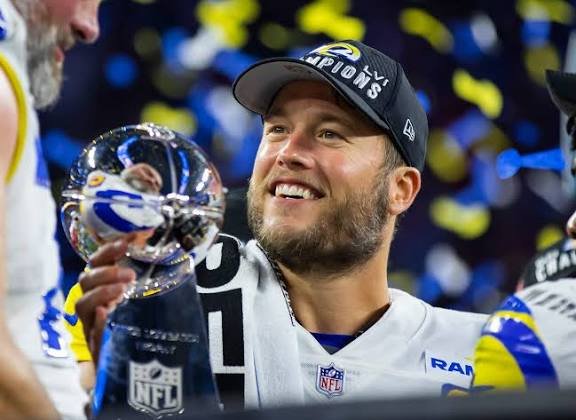
Perhaps most importantly, Stafford shed the reputation of being unable to deliver when it mattered. The Rams won the NFC West by defeating multiple winning teams during the regular season, and Stafford authored three fourth-quarter comebacks during the postseason en route to a Super Bowl victory. That championship checked the box critics had long fixated on.
At the time, the trade seemed like a clear win for Los Angeles. The Rams got their title. McVay and Aaron Donald secured rings. Kupp earned MVP honors. Andrew Whitworth ended his career on top. Stafford proved he could win, but the spotlight largely shone on the franchise.
That perspective shifted dramatically this week.
On Thursday night, Stafford was named the AP NFL MVP after throwing for 4,700 yards and 46 touchdowns. Before the announcement, debate still lingered about whether he truly belonged among football’s immortals. That debate now feels mostly settled. If Stafford retired today, he would join a rare group of quarterbacks who have won both a Super Bowl and a league MVP. Nearly all of the others are already enshrined in Canton, with Joe Theismann standing as the lone exception due to a comparatively brief peak.
The comparison pool for quarterbacks from the 2010s era is crowded and unforgiving. Ben Roethlisberger and Aaron Rodgers are virtual locks. Others — Philip Rivers, Matt Ryan, Eli Manning, Russell Wilson — face far murkier paths. Before arriving in Los Angeles, Stafford’s résumé aligned more closely with Rivers and Ryan: prolific, respected, but debatable. He was hovering on the Hall of Fame fringe.
Five seasons with the Rams changed everything. A Super Bowl win alone gave him an edge over Rivers. His playoff success now surpasses both Rivers and Ryan, and his postseason appearances match or exceed theirs as well. With a couple more playoff victories, Stafford would sit alongside names like Drew Brees and Russell Wilson — and even ahead of Eli Manning.
When the Rams made the blockbuster trade in 2021, they achieved their goal. But with the MVP trophy now in his hands, the long-term winner of that deal is Stafford himself. The kind of individual recognition that accompanies an MVP almost certainly never comes if he remains in Detroit.
A championship ring and an MVP award have transformed Stafford’s legacy. The questions about what he might have been with a stable organization have been answered decisively. In the end, the Matthew Stafford trade didn’t just change the Rams — it cemented Stafford as a future Hall of Famer.