
For years, the Detroit Lions spun their wheels with Matthew Stafford as the face of the franchise. When another rebuild loomed, the longtime quarterback went to ownership, emotional and exhausted, and essentially asked out. Rather than endure another reset, he pushed for a fresh start somewhere else.
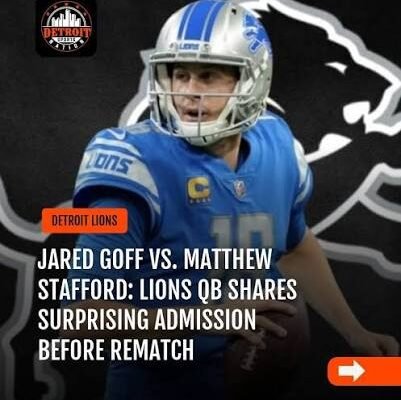
That decision ended up reshaping the Lions far more than anyone anticipated. New general manager Brad Holmes used the haul from the Stafford trade to bring in young cornerstone players who would define the team’s future. And Jared Goff, arriving as what many assumed was a throw-in, became the steadying force a reeling organization desperately needed.
Goff had been cast aside by Rams head coach Sean McVay, painted as the problem in Los Angeles. Yet in Detroit, he offered exactly what the franchise had lacked: stability, patience, and an ability to keep the offense on schedule.
Stafford’s résumé in Detroit had always been polarizing. Despite his undeniable arm talent and highlight-reel throws, his playoff record spoke loudly — 0–3 in a dozen seasons, with the Lions consistently failing to meet expectations. Supporters clung to his physical gifts, while critics pointed to the untimely turnovers and stalled postseason hopes that defined the era.
A team doesn’t always need a quarterback with the strongest arm in the league; sometimes it simply needs someone who can manage the game, avoid catastrophic mistakes, and execute the plan.
When Stafford left, so too did the symbol of the “Same Old Lions” — a talented player who could thrill a crowd but couldn’t lift the franchise to meaningful success. In his absence, Detroit committed to building from the trenches outward, forming the tough, disciplined identity that has since fueled their rise.
Asked whether the Stafford-Goff trade benefitted both sides, head coach Dan Campbell didn’t hesitate to highlight what Detroit gained: Goff, Penei Sewell, Amon-Ra St. Brown, and a roster stacked with young talent. “It feels like a win for us,” he said, acknowledging the Rams likely feel the same.
Goff now gives Detroit its clearest path toward finally chasing a Lombardi Trophy, something that always felt out of reach during the Stafford years. Stafford’s departure, meanwhile, left behind a complicated legacy — flashes of brilliance, yes, but also frustration, letdowns, and a decision to walk away just when the organization was attempting to reinvent itself.
When he returned to Ford Field, the boos signaled just how divided the fanbase had become about him and the public persona surrounding his family.
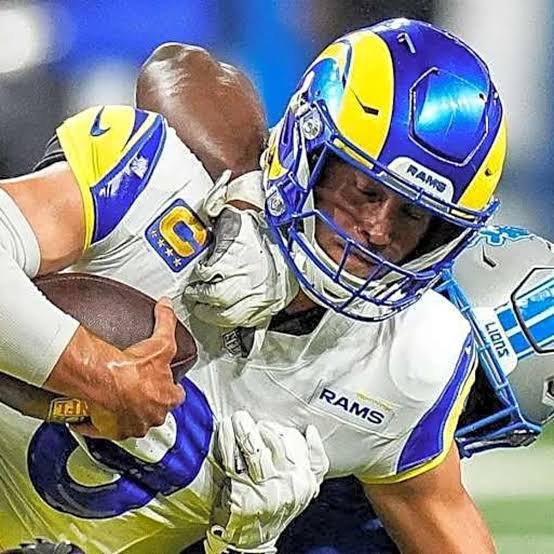
And now, with Detroit’s season on the line, there may be no more fitting opponent than the quarterback who so often threw the crushing interception at the worst possible time. Stafford represented potential that never delivered. This current Lions team represents something entirely different: unity, resolve, and the mentality required to win when the stakes are highest.