Should Detroit Move On From Dan Campbell and Brad Holmes After a Brutal 2025 Campaign?

The Detroit Lions’ season officially came to an end on Christmas Day with a stunning loss to the Minnesota Vikings, a defeat that knocked them out of the playoff picture altogether.
What made the loss so alarming wasn’t just the result, but the circumstances.
Minnesota entered the game shorthanded and relied on undrafted rookie quarterback Max Brosmer. With their season hanging in the balance, the Lions were expected to seize the moment. Instead, they delivered one of their most lifeless performances of the year.
To make matters worse, Detroit now sits at the bottom of the NFC North heading into Week 18—an unthinkable position given the expectations entering the season.
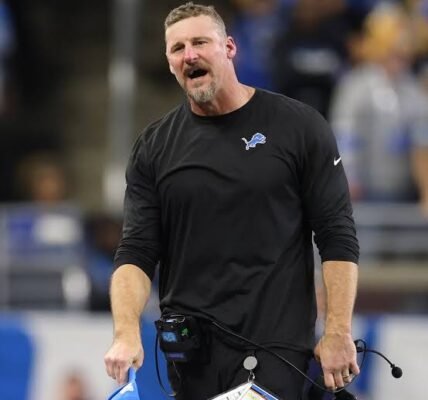
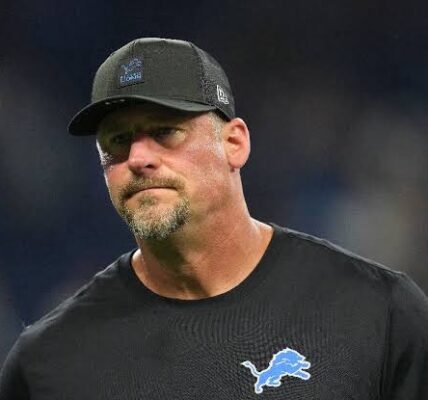
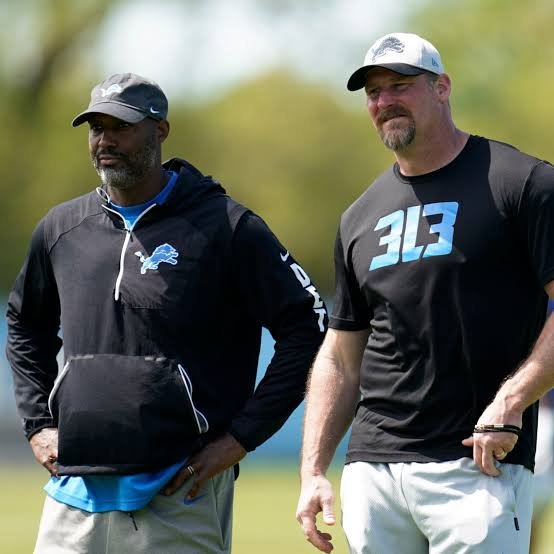
This collapse has cast a harsh spotlight on head coach Dan Campbell and general manager Brad Holmes.
After being widely viewed as legitimate Super Bowl contenders just months ago, the Lions failed to come anywhere close to those projections, which reflects poorly on the leadership at the top.
Some step back after a 15-win season was expected, but falling completely out of the playoff race was not. Unsurprisingly, frustration among the fanbase has boiled over, with growing calls for major changes.
Should Campbell and Holmes Be Fired?
The short answer is no—but both are clearly on thin ice heading into 2026.
Campbell and Holmes deserve credit for transforming Detroit into a respected organization and building a strong foundation. However, once expectations rose following their breakthrough in 2023, the team has consistently fallen apart in critical moments.
That trend began with the disappointing playoff exit against Washington in 2024 and continued with this year’s disastrous finish.
Much of the frustration centers on Holmes’ conservative roster management. Despite being in a position to contend, Detroit never made the aggressive moves typical of teams chasing a championship. While other contenders pushed their chips in, the Lions stood pat.
The lack of urgency showed most clearly along the defensive front. Detroit failed to add a true difference-maker at edge rusher, and inconsistent pressure plagued the defense all season.
On offense, the line took a noticeable step back. After losing Kevin Zeitler in free agency and seeing Frank Ragnow retire, the Lions opted against bringing in proven replacements. Instead, they relied heavily on inexperienced players and shuffled positions up front, which backfired. The run game regressed, and quarterback Jared Goff faced constant pressure—even against mediocre defenses.
At times, Holmes appears overly committed to his own vision, ignoring obvious solutions simply because they’re popular among analysts and fans.
While financial flexibility has clearly been a priority, that cautious approach raises an important question: what good is long-term planning if the decision-makers don’t survive long enough to benefit from it?
Championship opportunities don’t come often—especially in Detroit.
Letting a season end with significant cap space unused while the roster had glaring weaknesses is difficult to justify.
Campbell Shares the Blame
Campbell is far from blameless in this collapse.
His decision to elevate John Morton to offensive coordinator quickly backfired, as Morton didn’t even last the full season. When Campbell took over play-calling duties, the offense still failed to improve.
In-game management has also been a recurring issue. Campbell’s aggressive fourth-down tendencies often cross into recklessness, and questionable decisions routinely cost the team valuable points and momentum.
Injuries certainly played a role in the Lions’ struggles, but that explanation only goes so far. Detroit dealt with significant injuries last season and still managed to win 15 games. This year’s roster was largely the same, yet the win total is projected to be nearly cut in half—a troubling sign for the coaching staff.
Final Takeaway
The Lions don’t necessarily need to clean house, but change in approach is essential. Detroit must be far more aggressive in upgrading the roster heading into 2026.
For Campbell and Holmes, the message is clear: next season is about results. Anything short of a deep playoff run could very well put both of their jobs in serious jeopardy.