
With winter weather settling in across Metro Detroit, it felt fitting to settle into a familiar routine — flipping on championship weekend pregame shows, tuning into sports radio, listening to a football podcast over breakfast, and doing a bit of online reading.
That’s when it hit me.
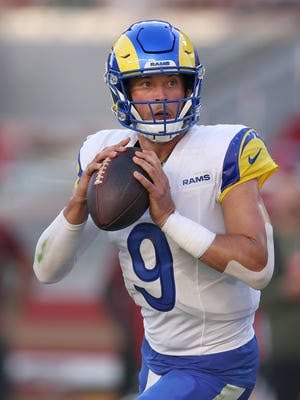
This week marks five years since the Detroit Lions made the franchise-altering decision to trade longtime quarterback Matthew Stafford to the Los Angeles Rams in exchange for draft capital and Jared Goff.
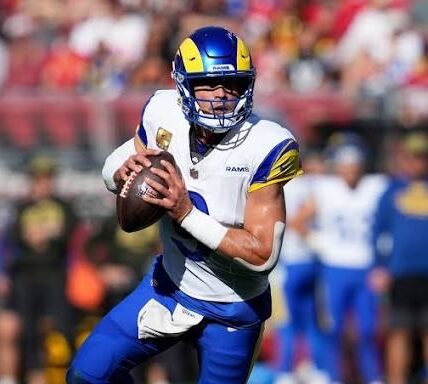
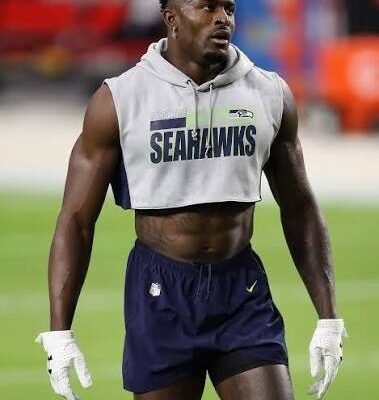
As Stafford gets ready to lead the Rams into a postseason matchup against the NFC’s top-seeded Seattle Seahawks, it’s time for Lions fans who still feel emotionally tied to him to finally move on.
Stafford is no longer a Lion — and hasn’t been for quite some time.
His legacy in Detroit is fleeting, much like snow collecting on a windshield. It lingers briefly, but once the temperature rises, it disappears without leaving a lasting mark.
When Stafford eventually hangs up his cleats, there should be no jersey retirement in Detroit, no induction into the Pride of the Lions, and no ceremonial appearances at Ford Field under the bright lights.
Earlier this week, Stafford was asked about how his play has matured to the point where he’s been especially effective late in the season since joining the Rams.
That level of success might sting Lions fans who wish it had happened sooner.
Stafford responded by downplaying individual credit, emphasizing that wins are rarely the result of one player alone. He explained that football outcomes don’t always align neatly with quarterback performance, pointing out that strong individual games don’t always lead to wins — and vice versa.
He credited his head coach and teammates for peaking at the right time, noting that while he strives to perform at a high level and lead effectively, victories and losses are shared responsibilities. According to Stafford, no single player deserves full praise or blame.
There’s long been debate about where responsibility lies for Detroit’s struggles during Stafford’s tenure. Some argue the organization failed to support him properly, while others contend he simply didn’t elevate the team enough.
Most agree the truth sits somewhere in the middle — but ultimately, the blame game is irrelevant.
What matters is the outcome.
Stafford found postseason success after leaving Detroit, and his most meaningful accomplishments came elsewhere. As history is written, he should be remembered not as a Lions legend, but as a Rams quarterback whose time in Detroit never lived up to expectations.