Israeli Airstrikes Intensify in Gaza and West Bank Ahead of Trump–Netanyahu Meeting

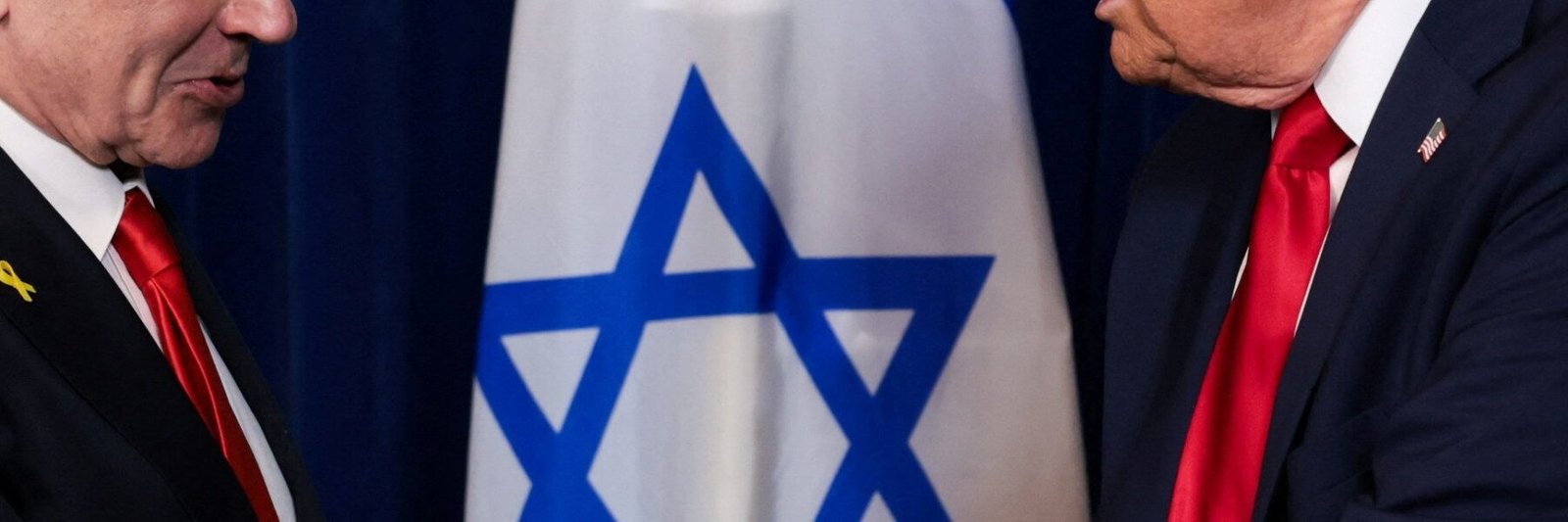
Israeli forces launched a series of coordinated airstrikes and military operations across Gaza and parts of the occupied West Bank ahead of a widely anticipated meeting between former U.S. President Donald Trump and Israeli Prime Minister Benjamin Netanyahu. The timing of the attacks has sparked heightened regional tensions and renewed international focus on the fragile security situation in the Middle East.
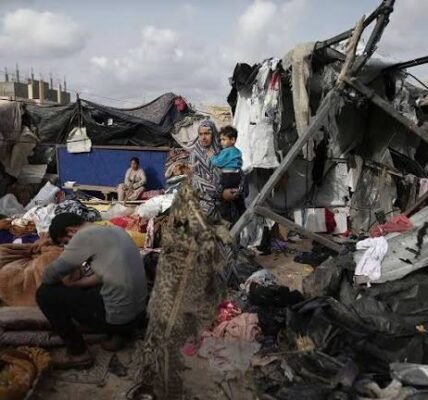
According to local reports, explosions were heard in multiple areas of Gaza late into the night, with targets reportedly including suspected militant infrastructure. In the West Bank, Israeli troops conducted raids in several towns, leading to clashes with Palestinian residents. Casualties have been reported, though official figures remain unconfirmed at the time of writing.
The escalation comes as global attention turns to the Trump–Netanyahu meeting, expected to center on Middle East security, the ongoing Israel-Hamas conflict, and broader geopolitical strategies. Analysts suggest the renewed military activity could be linked to efforts to strengthen Israel’s security position before high-level diplomatic engagements.
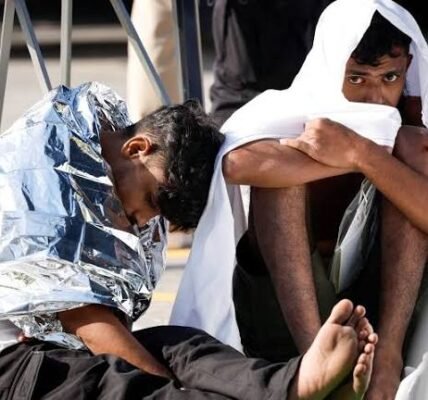
Palestinian officials have condemned the strikes, describing them as aggressive and destabilizing. Human rights groups have also called for restraint, warning that continued violence could worsen humanitarian conditions in Gaza, where infrastructure and medical services are already under severe strain.
Meanwhile, Israeli authorities have maintained that the operations are necessary responses to security threats and militant activities. The Israeli military stated it remains committed to protecting its citizens against attacks and will continue targeted actions as needed.
International reactions are beginning to emerge, with several global leaders urging de-escalation and dialogue. The United Nations has reiterated calls for both sides to exercise restraint and prioritize civilian protection.
As the Trump–Netanyahu meeting approaches, observers warn that developments on the ground could significantly influence diplomatic discussions. The situation remains fluid, with the potential for further escalation if tensions are not carefully managed.
The coming days are expected to be critical, as diplomatic efforts intersect with ongoing military operations, shaping the next phase of the Israeli-Palestinian conflict.