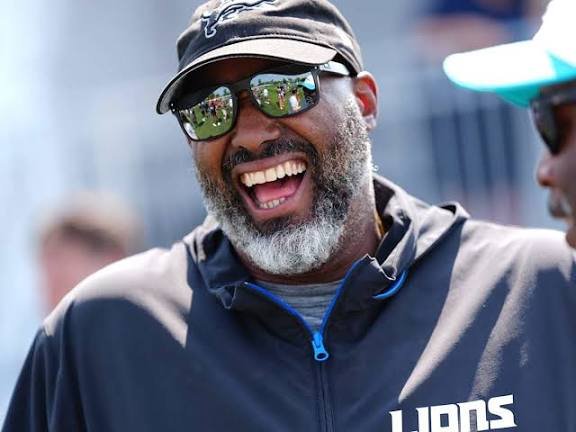

The job of an NFL general manager comes with relentless pressure.
Balancing a salary cap north of $300 million while keeping elite talent happy — and on the roster — is a constant juggling act. For Detroit Lions GM Brad Holmes, that challenge is looming large as the next offseason approaches, and it’s one he’d likely prefer not to face without a plan.
With free agency just weeks away, Detroit’s financial picture isn’t exactly rosy. The Lions are currently projected to be roughly $8.5 million over the cap heading into 2026, meaning roster flexibility will require some creativity if they want to stay aggressive on the open market.
One Lions analyst believes there’s a smart workaround — one that could unlock more than $40 million in usable cap space.
Three Strategic Moves That Could Change Everything
In a recent breakdown, a Bleacher Report analyst outlined a trio of financial adjustments that could dramatically improve Detroit’s cap outlook.
The proposal includes restructuring the contracts of Amon-Ra St. Brown and Jared Goff, along with releasing veteran offensive lineman Graham Glasgow. Together, those moves could free up a massive chunk of cap room without sacrificing the team’s long-term core.
The biggest swing comes from St. Brown’s deal. By restructuring his contract, Detroit could slash his 2026 cap number from $33.1 million down to approximately $11.5 million. The remaining money would be pushed into future years, likely as part of a longer extension — a relatively safe bet given St. Brown’s importance to the franchise.
The second move involves Glasgow. Releasing him before June 1 would save the Lions about $5.56 million while leaving behind a manageable $2.8 million in dead money. Given Detroit’s likely plan to address guard depth through the draft and find a center via free agency or trade, this move feels more procedural than risky.
Finally, there’s Jared Goff. By restructuring $30 million of his contract — not even the maximum possible — the Lions could lower his cap hit from a staggering $69 million to roughly $47 million. That adjustment would add about $7.5 million to future seasons, but it buys Detroit breathing room now.
Why the Risk Is Minimal
The logic behind restructuring both St. Brown and Goff hinges on stability. St. Brown is widely viewed as a long-term pillar of the offense, making future cap smoothing a sensible move. Goff, meanwhile, will be 34 when his current deal expires, giving the team leverage to reassess and renegotiate depending on how the next few seasons unfold.
Compared to restructuring other contracts — such as Alim McNeill’s — this approach limits downside while maximizing flexibility.
A Window for Holmes to Get Aggressive
What makes this strategy especially appealing is the trust factor. Both Goff and St. Brown have shown loyalty to Detroit and a desire to compete for championships. It’s reasonable to believe they’d support moves that allow the front office to strengthen the roster.
If executed, these adjustments wouldn’t just clean up the cap sheet — they’d give Brad Holmes the freedom to attack free agency without mortgaging the future.
And in a league where financial missteps can cost executives their jobs, that $40 million cushion could be exactly what Holmes needs.