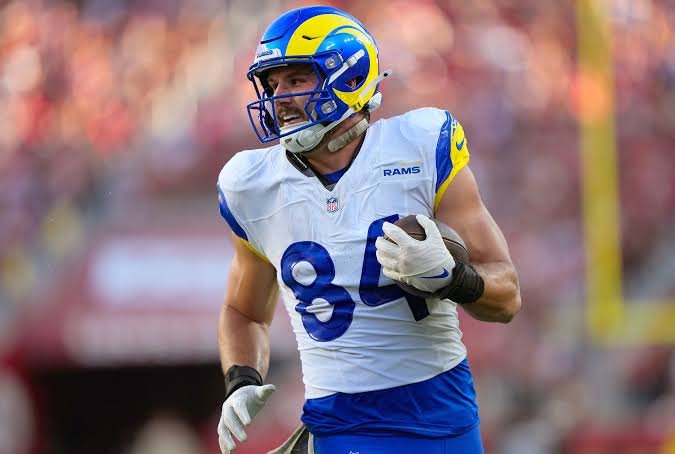
Colby Parkinson TD Controversy Explained: How Rams Benefited From Questionable TD Call vs. Lions

The Los Angeles Rams are in the middle of a tight race for the No. 1 seed in the NFC, and during their Week 15 matchup against the Detroit Lions, they appeared to receive some help from the officiating crew.
In a game Detroit largely controlled early, a controversial touchdown pass from Matthew Stafford to Colby Parkinson shifted momentum in the second half. The play, which was ruled a 26-yard touchdown, quickly became one of the most debated calls of the game.
What Happened on the Colby Parkinson Touchdown?
Midway through the third quarter, Rams quarterback Matthew Stafford connected with tight end Colby Parkinson along the right sideline. Officials ruled the play a 26-yard touchdown, giving Los Angeles a 27–24 lead and marking Stafford’s first touchdown pass of the game.
However, replay angles suggested Parkinson’s knee may have touched the ground just short of the goal line before the ball crossed the plane. If ruled correctly, the Rams would have faced a first-and-goal situation instead of an immediate touchdown.
Why the Call Was So Controversial
Because all scoring plays are automatically reviewed, the NFL replay center had the final say on the ruling. Despite video evidence suggesting Parkinson was down at the 1-yard line, the touchdown call stood.
As a result:
The Detroit Lions were unable to challenge the play
Detroit’s defense lost the chance for a goal-line stand
Los Angeles was awarded an immediate touchdown instead of additional snaps near the goal line
While the Rams may have eventually scored anyway, the decision directly impacted field position, momentum, and defensive opportunity for Detroit.
Fallout From the Missed Call
The controversial ruling quickly sparked debate among fans and analysts, with many questioning how the replay review failed to overturn the call. For the Lions, the decision represented another frustrating moment in a game that carried major playoff implications.
With Detroit battling to stay alive in the NFC playoff race, every possession mattered—and the missed call proved to be a pivotal turning point.