
The Detroit Lions are already looking past their Week 18 matchup with the Chicago Bears, a game that carries little meaning in the standings. With the postseason out of reach, the focus has shifted toward the offseason and the changes that may be necessary to get the franchise back on track.
Aside from the motivation of potentially complicating a division rival’s playoff positioning, Detroit’s attention is firmly on what comes next.
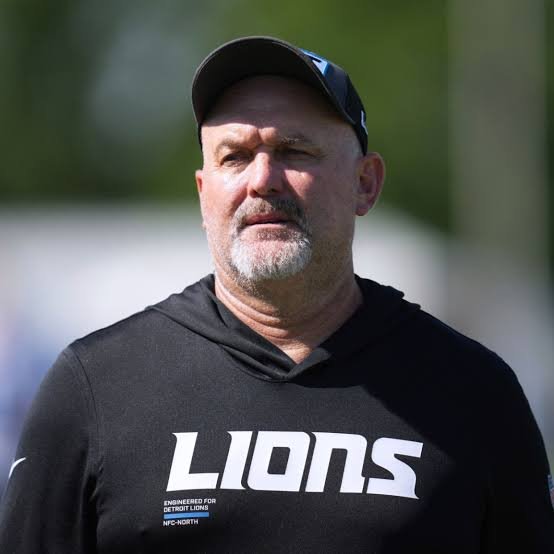
That future almost certainly includes offensive changes. The Lions struggled mightily with play-calling this season, and responsibility falls on both head coach Dan Campbell and offensive coordinator John Morton.
Despite that, Morton has expressed a strong desire to remain with the organization beyond this year.
According to The Athletic’s Colton Pouncey, Morton acknowledged the uncertainty surrounding his future while making his feelings clear: he wants to stay.
After decades of grinding through the coaching ranks since the late 1990s, his comments reflect genuine attachment to the team and organization. While that sentiment is understandable, the NFL is an unforgiving results-driven league—and Detroit’s offense simply hasn’t delivered.
If the Lions are serious about improving, Campbell needs a coordinator who can take full control of the offense and maximize the talent already on the roster. That likely means there is no meaningful role left for Morton if Detroit makes the necessary move toward change.
A reset is needed, and sentimentality cannot factor into the decision.
Why Detroit Needs a New Offensive Voice
Replacing Ben Johnson was never going to be easy. Now the head coach of the Chicago Bears, Johnson previously built one of the NFL’s most dynamic offenses in Detroit. His imagination and alignment with Campbell’s aggressive philosophy elevated expectations across the organization—expectations Morton was unable to meet.
While it’s unrealistic to expect an immediate return to the offensive heights achieved under Johnson, it’s equally clear that Detroit can do better than its current setup.
Throughout the season, the Lions failed to consistently feature David Montgomery or relieve pressure on quarterback Jared Goff. Personnel decisions also raised concerns, such as repeatedly leaning on two-tight-end formations instead of expanding opportunities for promising rookie receiver Isaac TeSlaa.
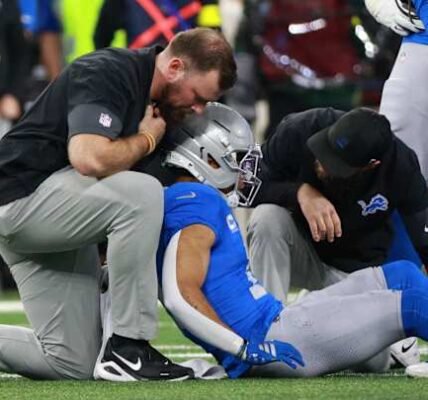
Those choices became even more puzzling when injuries sidelined both Sam LaPorta and Brock Wright for the year. With tight end depth severely depleted and practice-squad players forced into starting roles, the offense still failed to adapt.
Neither Campbell nor Morton made the necessary schematic or personnel adjustments, and the stagnation became a recurring theme.
That lack of flexibility defined much of Detroit’s offensive struggles and underscores why retaining Morton into the 2026 season would be a mistake.
For the Lions to move forward, they need an innovative offensive leader who can shoulder play-calling responsibilities and allow Campbell to focus on managing the broader direction of the team. Unfortunately for Morton, that path requires Detroit to move on and for him to seek his next opportunity elsewhere.
Change may be difficult—but for the Lions, it’s necessary.