Matthew Stafford’s Retirement Talk Sparks Debate Over His Lions Legacy

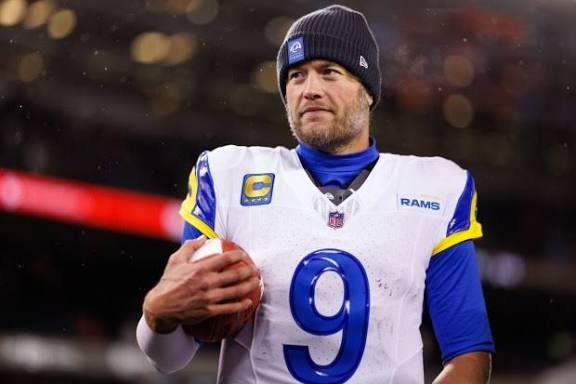
Matthew Stafford spent more than ten seasons as the face of the Detroit Lions, suiting up for the franchise from 2009 through 2020. Over that span, he put up impressive individual statistics, finishing his Lions tenure as the team’s all-time leader in passing yards (45,109) and touchdown passes (282), according to NFL data. Still, his overall record in Detroit—74 wins, 90 losses, and one tie—reflects the team’s ongoing struggles during those years.
While Stafford eventually reached the pinnacle of NFL success by winning a Super Bowl with the Los Angeles Rams, questions remain about how his time in Detroit should be viewed. Is he a foundational part of Lions history, or simply a talented quarterback who never found team success there?
Those questions resurfaced after the Rams were eliminated by the Seattle Seahawks, when Stafford was asked whether retirement might be on his mind. He declined to give a definitive answer.
“I’m not going to sum up the next six months of my life ten minutes after a loss,” Stafford said, via ESPN. “I’m incredibly grateful for the guys in this locker room and everyone who helped make this season what it was. That’s all I have to say right now.”
Shortly after, Sports Illustrated contributor John Maakaron published a column arguing that Stafford’s Detroit years should carry little weight when evaluating his overall legacy. According to Maakaron, Stafford’s time with the Lions is ultimately forgettable and should have no bearing on how he’s honored if he retires.
He went so far as to suggest that Stafford’s Lions tenure will fade away entirely, comparing it to snow melting on a windshield. Maakaron argued that Stafford should not have his jersey retired in Detroit, should not be inducted into the Pride of the Lions, and should not be celebrated at Ford Field.
Stafford also addressed his postseason success following the Rams’ loss, responding to questions about why he often plays his best football late in the year.
“I’ve always thought quarterback wins are a strange statistic,” Stafford said. “Football is the ultimate team game. There are games where I don’t play well and we win, and others where I feel like I played great and we lose. It doesn’t always line up.”
He added that success often comes down to leadership and timing, crediting his head coach and teammates for peaking when it matters most.
So where does that leave Stafford’s place in Lions history?
While it’s undeniable that his greatest achievements came after leaving Detroit, erasing his Lions years entirely feels extreme. Stafford is woven into the franchise’s record books and identity, even if those seasons were filled with frustration rather than championships.
Maakaron ultimately concluded that Stafford should be remembered primarily as a Rams quarterback whose Detroit stint fell short of expectations. And while that assessment reflects the lack of postseason success in Detroit, it doesn’t tell the whole story.
The Lions’ struggles during the Stafford era weren’t his alone, and history doesn’t have to focus solely on failure. Like many long, complicated relationships, it’s possible to acknowledge the disappointment while still recognizing the moments that mattered.