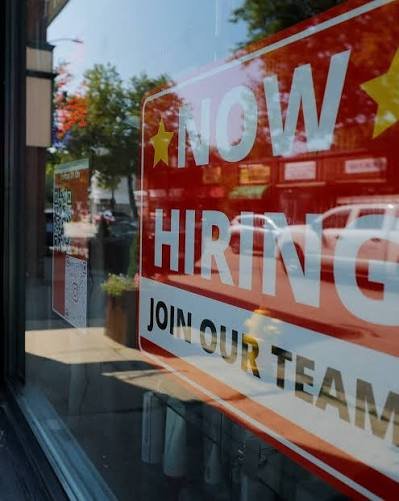

While official unemployment numbers in the United States remain relatively low, a deeper economic strain continues to affect millions of Americans: underemployment. Beneath the surface of headline job growth statistics lies a workforce struggling with reduced hours, lower wages, and jobs that fail to match workers’ qualifications. The U.S. underemployment crisis in 2026 reveals a widening gap between employment figures and economic reality.
Underemployment occurs when individuals work part-time but desire full-time positions, or when highly skilled workers accept jobs far below their education or experience level. Economists often measure this through the broader U-6 unemployment rate, which includes discouraged workers and those working part-time for economic reasons. While the traditional unemployment rate may suggest economic stability, the U-6 rate paints a more concerning picture.
Several factors are driving this trend. First, the rise of the gig economy and contract-based work has created flexible opportunities, but often without stable income, benefits, or long-term security. Industries such as retail, hospitality, and food services continue to rely heavily on part-time scheduling to reduce costs. Meanwhile, automation and artificial intelligence are reshaping industries, leaving some mid-level skilled workers displaced or forced into lower-paying roles.
Recent college graduates are also feeling the impact. Many face stiff competition in saturated job markets, leading them to accept roles unrelated to their fields of study. At the same time, older workers re-entering the workforce after layoffs often struggle to secure positions that match their previous earnings.
The consequences extend beyond individual households. Underemployment reduces consumer spending power, slows wealth accumulation, and increases reliance on credit. Families report difficulty covering housing, healthcare, and childcare costs despite being technically “employed.”
Policy experts argue that addressing underemployment requires more than job creation. Solutions may include expanding workforce training programs, strengthening labor protections for part-time workers, encouraging small business growth, and adapting education systems to align with evolving industry demands.
As economic uncertainty persists, the U.S. underemployment crisis underscores a critical truth: having a job does not always guarantee financial stability. For millions of Americans, the struggle to get by continues, hidden behind reassuring employment statistics but deeply felt in everyday life.