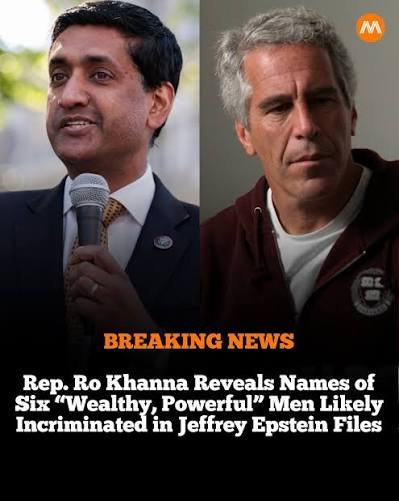

In a development that is already sending shockwaves through political and legal circles, a United States congressman has publicly disclosed the identities of six men whose names had previously been redacted in a high-profile federal investigation report. The revelation, made during a press briefing on Capitol Hill and later shared through official congressional records, has intensified debate over transparency, accountability, and the limits of redactions in sensitive government documents.
According to the lawmaker, the decision to reveal the names followed what he described as “careful legal review and public interest considerations.” The original report, which examined allegations tied to a years-long federal probe, had concealed several identities under privacy and due process protections. Critics, however, have long argued that excessive redactions undermined public trust and shielded influential individuals from scrutiny.
The congressman stated that the six individuals were mentioned multiple times in the investigative findings and played roles that warranted public disclosure. He emphasized that the release of the names does not automatically imply criminal wrongdoing but rather ensures transparency in a matter of national concern. “The American people deserve to know who was referenced in an investigation of this magnitude,” he said.
Legal analysts suggest the move could have significant ramifications. Some experts warn that publicly identifying previously redacted individuals may expose the congressman and congressional offices to potential legal challenges, especially if those named were not formally charged with crimes. Others argue that congressional speech protections under the Constitution may shield lawmakers when disclosures are made as part of official proceedings.
Political reactions have been sharply divided. Supporters of the disclosure praise the move as a victory for open government and democratic accountability. Opponents contend that the release could politicize an already sensitive investigation and risk damaging reputations without due process.
As the story continues to unfold, questions remain about whether additional names could be released and how federal agencies will respond. The development is expected to fuel ongoing discussions about government transparency, redaction policies, and the balance between privacy rights and the public’s right to know.