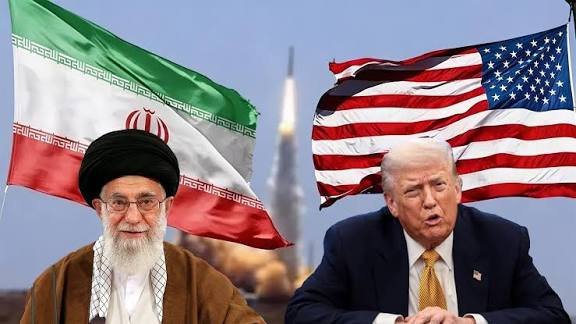
Will Trump Adopt Israel’s “Red Lines” on Iran? What U.S.–Israeli Diplomacy Means for Middle East Stability

U.S. President Donald Trump is under growing pressure from Israeli Prime Minister Benjamin Netanyahu and other Israeli officials to adopt a set of stringent “red lines” for negotiations with Iran — including limits not only on Tehran’s nuclear program but also on its ballistic missile capabilities and support for regional militias. Netanyahu’s recent diplomatic outreach to Washington underscores how closely intertwined U.S. and Israeli strategy remains, even as differences emerge over how to deal with Tehran.
Despite Israeli demands, it is not yet clear that Trump will fully embrace Israel’s broader approach. U.S. negotiators have engaged in indirect talks with Iranian officials primarily focused on the nuclear issue. Tehran has consistently maintained that while it may discuss aspects of its nuclear program, its missile capabilities are non-negotiable. This position places Washington in a delicate position: expand negotiations to satisfy Israeli concerns, or narrow the scope to secure a more limited but achievable agreement.
Israeli officials argue that any agreement that fails to address Iran’s ballistic missile program would leave a significant security gap. From Jerusalem’s perspective, missiles — not just nuclear enrichment — pose an immediate and tangible threat. Israeli defense leaders have repeatedly signaled that they reserve the right to act independently if they believe Iran is approaching dangerous thresholds.
Trump’s approach appears to balance pressure with pragmatism. While he has warned of severe consequences if diplomacy collapses, he has also publicly signaled openness to negotiations that focus primarily on nuclear safeguards. Some within his administration emphasize that U.S. red lines will be determined by American strategic interests, not automatically aligned with those of regional allies.
The broader geopolitical context adds complexity. Regional tensions remain high, and any miscalculation could escalate into direct confrontation. At the same time, global energy markets, European allies, and Gulf states are closely watching the outcome of U.S.–Iran diplomacy.
Whether Trump ultimately adopts Israel’s full list of red lines may depend on domestic political considerations, intelligence assessments, and the progress of negotiations in the coming months. For now, the question reflects a larger strategic dilemma: Should Washington pursue a maximalist stance that aligns fully with Israel, or prioritize a narrower diplomatic path aimed at reducing immediate nuclear risks?
The answer could shape Middle East stability for years to come.