Why Micah Parsons Caused Jack Campbell to Lose $22 Million With the Detroit Lions

The Detroit Lions made a surprising decision this offseason when they declined the fifth-year option on linebacker Jack Campbell. The move could cost Campbell nearly $22 million, and oddly enough, Micah Parsons has become part of the reason why.
While Parsons did nothing wrong, his record-setting contract extension helped create the financial situation that ultimately affected Campbell’s option year.
Micah Parsons’ Contract Reset the Linebacker Market
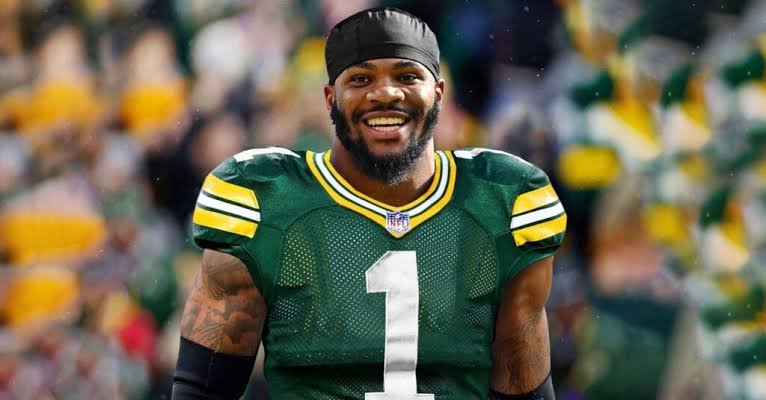
Parsons, now with the Green Bay Packers after a trade from the Dallas Cowboys, signed a massive four-year, $186 million contract that reset the market for players officially listed as linebackers.
However, Parsons primarily plays as an edge rusher, similar to stars like Myles Garrett of the Cleveland Browns and Maxx Crosby of the Las Vegas Raiders.
Despite that, the National Football League still classifies Parsons as an outside linebacker, which means his contract is included when calculating fifth-year option values for linebackers.
That classification dramatically inflated the projected fifth-year option for Campbell.
NFL analyst Sam Monson criticized the system on social media, writing that Parsons influencing Campbell’s option value highlights how “broken” the league’s positional designation rules are.
Lions Decline Jack Campbell’s $22 Million Fifth-Year Option
Campbell, the Lions’ No. 18 overall pick in the 2023 NFL Draft, originally signed a four-year, $14.7 million rookie contract after arriving from University of Iowa.
His fifth-year option for the 2027 season would have been worth just under $22 million, largely due to the inflated linebacker market created by contracts like Parsons’.
According to Dan Miller of FOX Detroit, the Lions chose not to exercise that option.
Instead, the team picked up the fifth-year option for running back Jahmyr Gibbs but declined Campbell’s, with plans to negotiate a long-term extension that better fits the traditional linebacker salary range.
Detroit Lions Still View Campbell as a Core Player
The decision doesn’t mean Detroit undervalues Campbell. In fact, the Lions see him as a long-term defensive cornerstone.
By declining the option, the team avoids setting a new market price for off-ball linebackers while maintaining flexibility to negotiate a more balanced contract.
It also helps Detroit manage the salary cap as they prepare future deals for other standout members of their 2023 draft class, including tight end Sam LaPorta and defensive back Brian Branch.
NFL’s Position Classification System Under Fire
The situation highlights a growing issue in the NFL’s contract system. Because edge rushers like Parsons are classified as linebackers, their massive deals artificially raise the value of fifth-year options for traditional linebackers.
For teams like Detroit, paying a middle linebacker $22 million per year would significantly reset the market for the position.
As a result, Campbell’s fifth-year option became financially unrealistic, forcing the Lions to decline it despite his strong performance.
Still, both sides are expected to reach a long-term contract agreement before Campbell hits free agency, ensuring he remains a key piece of Detroit’s defense for years to come.