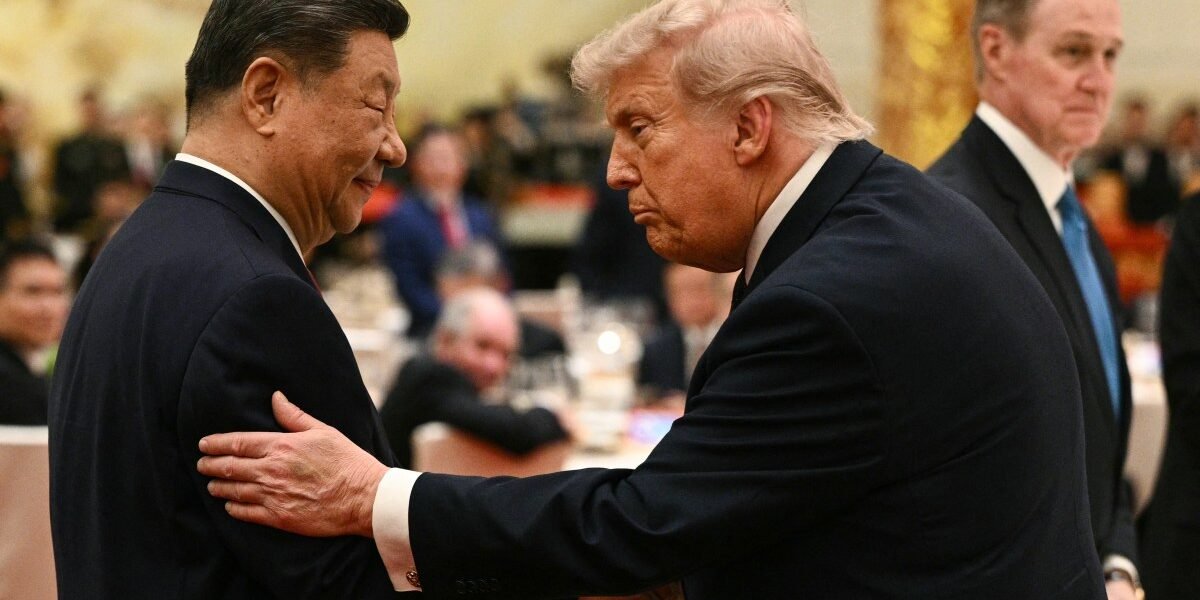

As geopolitical tensions continue to reshape global diplomacy, a surprising development involving Marco Rubio and Donald Trump is drawing attention ahead of a high-stakes international summit involving both the United States and China.
Chinese state-linked media and online platforms recently appeared to soften their tone toward Rubio, with some reports suggesting that references to the American politician were altered or toned down in official translations and commentary ahead of a broader diplomatic gathering connected to Trump’s international political comeback efforts. The move has fueled speculation that Beijing is attempting to reduce friction before key discussions tied to trade, sanctions, and future U.S.-China relations.
Rubio has long been one of the most outspoken American critics of China’s government. Over the years, he has supported sanctions related to human rights issues in regions like Hong Kong and Xinjiang, making him a frequent target of criticism from Beijing. China previously announced sanctions against Rubio and several other U.S. officials in response to American pressure campaigns and foreign policy measures.
Now, however, analysts believe China may be adjusting its messaging strategy as Trump’s influence over Republican politics and the 2026 election cycle continues to grow. Trump’s expected participation in upcoming global economic and security talks has created a delicate diplomatic balancing act for Beijing, especially as both countries remain deeply tied economically despite political hostility.
Observers noted that Chinese coverage surrounding Rubio suddenly became less aggressive in tone, with some outlets avoiding direct references to sanctions entirely. Others used shortened or modified naming structures online, sparking debate across political and media circles about whether Beijing is quietly attempting to open communication channels ahead of a possible second Trump administration.
The timing is particularly important. Trade disputes, semiconductor restrictions, artificial intelligence competition, and military tensions in the South China Sea remain major flashpoints between Washington and Beijing. Any summit involving Trump allies or key Republican figures instantly becomes globally significant.
Supporters of Rubio argue the softened rhetoric proves China is trying to influence American political dynamics ahead of future negotiations. Critics, meanwhile, say the move reflects Beijing’s broader strategy of selectively engaging with U.S. political figures when it serves economic or diplomatic interests.
Either way, the sudden shift has added another unexpected layer to the already complicated relationship between China and the United States. With Trump positioning himself once again at the center of global political conversations, every diplomatic signal — even a subtle name change or translation adjustment — is now being closely watched.