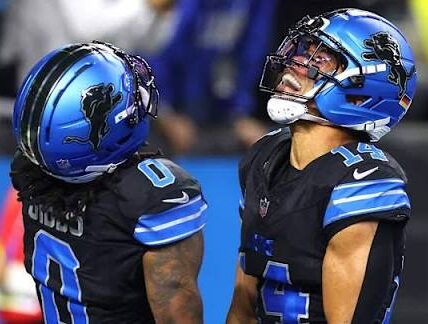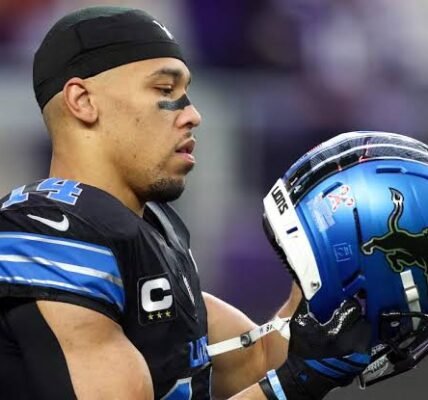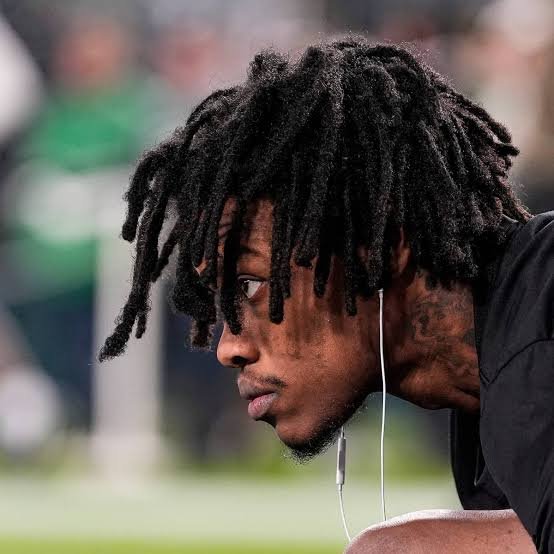
Detroit Lions WR Jameson Williams Files Lawsuit Challenging the NCAA’s Most Powerful Conferences

The lawsuit filed by Jameson Williams in Los Angeles County in late April 2026 carries unusual weight because of both his status and the timing of the case. Unlike former college athletes who pursue legal action years after their playing careers end, Williams is still an active NFL player and a former first-round pick currently catching passes for the Detroit Lions.
Because Williams remains in the prime of his professional career, the lawsuit feels less like a retrospective grievance and more like an ongoing debate about the value college athletes generated before the NIL era.
Connection to the House v. NCAA Antitrust Case
The legal argument behind Williams’ case mirrors the antitrust theory used in the landmark House v. NCAA lawsuit. That case ultimately led to a widely discussed settlement structure aimed at compensating former athletes through backpay.
However, Williams is not waiting to see how compensation from the broader settlement pool will be distributed. Instead, he has chosen to pursue his claim individually, potentially setting a precedent for other athletes who believe they were denied fair compensation during the pre-NIL period.
Strategic Timing After the 2025 NFL Season
Another notable detail is the timing of the lawsuit. Williams filed the case after completing the 2025 NFL season with the Detroit Lions. This suggests the decision was carefully planned with legal advisors rather than being a spontaneous complaint.
The move reflects a growing awareness among athletes about their legal rights and the financial implications of the NCAA’s former amateurism rules.
Williams Played Just Before the NIL Era Began
Williams’ college career spanned Ohio State Buckeyes football and Alabama Crimson Tide football during the final years before the full introduction of Name, Image, and Likeness (NIL) opportunities.
Athletes who entered college only a few years later began signing lucrative endorsement deals with restaurants, shoe companies, and car dealerships—sometimes worth seven figures.
Williams, meanwhile, delivered some of the most memorable highlight plays in college football during that transitional period, performing in front of millions of fans but missing the NIL boom by just a season.
A Larger Shift in College Football Economics
Williams’ lawsuit comes at a time when college football is undergoing major financial changes. Revenue-sharing discussions, expanded NIL collectives, and conference realignment are rapidly reshaping the sport’s economic structure.
While Williams’ case represents only a small piece of this transformation, it reflects a growing sentiment among athletes who played before NIL rules changed.
More Legal Challenges Could Follow
Many players who helped generate billions in college football revenue before NIL rights existed are beginning to question whether they were properly compensated.
Legal experts expect more lawsuits similar to Williams’ in the coming years—either leading to courtroom rulings or settlements that avoid lengthy trials.
For Williams, the central issue now is how a Los Angeles court might calculate the value of his college performances—especially considering that conferences like the Big Ten Conference and Southeastern Conference still broadcast highlights featuring his plays.