One Critical Decision the Detroit Lions Must Get Right in the 2026 NFL Draft

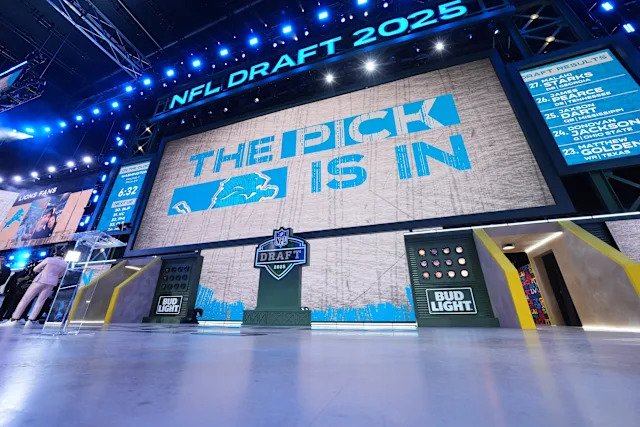
For the first time since the 2023 NFL Draft, the Detroit Lions will make their first-round selection within the top 20, holding a more favorable position in the 2026 NFL Draft. After finishing the 2025 season with a 9–8 record and falling short of the playoffs, general manager Brad Holmes is under added pressure to guide the team back toward consistent success. Holmes previously helped elevate the Lions into legitimate contenders, leading to division titles in 2023 and 2024. However, the team’s disappointing 2025 campaign has created concern that the setback could carry over into another challenging season.
Because of that, this year’s draft presents an important opportunity for Holmes to reinforce confidence in the team’s direction.
Throughout his time leading Detroit’s front office, Holmes has repeatedly emphasized that he is not focused on making flashy offseason moves simply to generate headlines. Instead, his strategy has been calculated and deliberate. At times he has been aggressive, while in other situations he has chosen patience. Ultimately, his decisions tend to revolve around players the scouting department, coaches, and front office strongly believe in. In previous drafts, Detroit had the advantage of a roster loaded with experienced veterans. That depth allowed the organization to draft players based on long-term value rather than immediate necessity, since there was less urgency to find rookies who could contribute right away.
This offseason has been different. The Lions experienced notable roster turnover, including the departures of veteran players such as Taylor Decker and Alex Anzalone. Losing those players created gaps not only in terms of production but also leadership inside the locker room. Because of these changes, Detroit enters the draft with clearer roster priorities than in recent years. If the team wants to climb back to the top of the NFC North, those needs must be addressed quickly, ideally with rookies capable of stepping into meaningful roles early in their careers.
Detroit did attempt to stabilize the roster by signing several experienced players to one-year deals, but those additions appear to be temporary fixes rather than long-term solutions. That situation further suggests the team will rely heavily on the draft to secure players who can become foundational pieces in the future. For that reason, this particular draft may not be the ideal time for Detroit to gamble on developmental prospects who require years to reach their potential. While every rookie needs time to adjust to the professional level, the Lions likely cannot afford to wait multiple seasons for early selections to become productive contributors.
Another important factor involves positional priorities, particularly along the offensive line. The 2026 draft class features several offensive tackles projected to be selected early, followed by a noticeable drop in perceived talent according to many evaluators. If Detroit chooses to prioritize another position early, the team could find itself forced to select a more developmental offensive line prospect later in the draft — a risk that could negatively impact the roster.
Because of this, the responsibility falls heavily on Holmes and the front office to address the tackle position sooner rather than later. Detroit already features one of the league’s premier offensive linemen in Penei Sewell. Sewell has established himself as a three-time All-Pro at right tackle and could potentially shift to the left side following Decker’s departure. Bringing in another athletic tackle on a rookie contract would provide valuable flexibility and reinforce one of the most important positions on the roster.
If the Lions choose to delay addressing the position until the later rounds, they could face serious depth concerns. Young lineman Giovanni Manu missed most of last season and has only one career start across two years in the league. Without another promising young tackle entering the pipeline, Detroit’s overall offensive line depth could quickly become an issue.
Given the physical nature of playing in the trenches, injuries are always a possibility, which makes reliable depth especially valuable. During their most successful seasons, the Lions’ dominance along the line of scrimmage was a defining characteristic of the team. Maintaining that identity will require continued investment in the offensive line through the draft.
Holmes has developed a reputation for making unpredictable moves during draft weekend, so unexpected decisions are always possible. Still, considering the roster’s current needs and the organization’s past approach to building through the trenches, strengthening the offensive line appears to be one of the most logical priorities for Detroit this year.