Detroit Lions WR Jameson Williams Files NIL Lawsuit Against NCAA, Big Ten, SEC

Jameson Williams, a wide receiver for the Detroit Lions, is making headlines after filing a lawsuit related to the use of his name, image, and likeness (NIL) during his college football career.
According to a report from the New York Post, Williams has filed a lawsuit in Los Angeles County against the National Collegiate Athletic Association, the Big Ten Conference, and the Southeastern Conference. The lawsuit alleges that the organizations used his name, image, and likeness without properly compensating him.
Williams claims the three entities profited from his personal brand while he received no financial return. The filing states that the organizations “continuously financially benefit” from his NIL rights without providing fair compensation for the commercial value associated with his identity and on-field success.
Williams Seeking Compensation for NIL Usage
In the lawsuit, Williams argues that restrictions placed on college athletes during his playing days prevented him from earning money from his own name, image, and likeness. He is now seeking monetary damages tied to what he believes he could have earned if those restrictions had not existed.
The legal filing also raises questions about revenue tied to social media exposure and television broadcasts. Williams is reportedly seeking compensation for social media income he believes he lost due to the policies in place at the time. Additionally, he is requesting a portion of group licensing revenue from game telecasts that featured him during his college career.
The complaint claims that Williams “received less — zero — than he otherwise would have received for the use of his name, image, and likeness in a competitive marketplace.”
Jameson Williams’ College Football Success
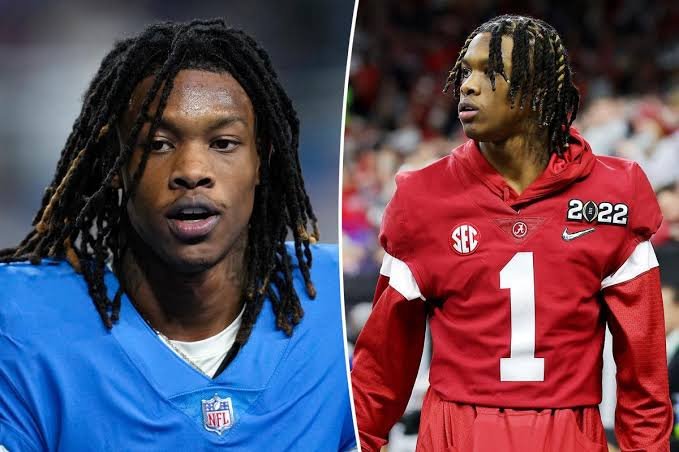
Before entering the NFL, Williams was a standout player for the Alabama Crimson Tide football during the 2021 season. He recorded 79 receptions for 1,572 yards and 15 touchdowns, establishing himself as one of the most explosive wide receivers in college football.
His performance helped boost his national profile before he was selected in the first round of the 2022 NFL Draft by the Detroit Lions.
What NIL Means in College Sports
Name, Image, and Likeness (NIL) rights refer to an athlete’s legal ability to earn money from their personal brand. These rights allow athletes to profit through endorsements, sponsorship deals, social media monetization, personal appearances, merchandise, and licensing agreements.
For decades, the NCAA prevented college athletes from earning money from these opportunities. However, that changed in 2021 when NIL rules were officially implemented, allowing players to begin monetizing their personal brands while still competing at the college level.
Today, NIL deals have become a major part of the college sports landscape, with athletes often partnering with brands, promoting products online, and signing marketing agreements.
Lawsuit Adds to Ongoing NIL Debate
Williams’ lawsuit highlights the ongoing debate surrounding NIL rights and whether former college athletes should be compensated for the value they created before the rule changes.
Supporters of NIL believe the system finally provides fair opportunities for athletes who generate millions in revenue for schools and conferences. Critics, however, argue that the rapid shift has fundamentally changed the traditional structure of college athletics.
The outcome of Williams’ case could have broader implications for how NIL compensation is handled for athletes who competed before the policy change in 2021.