
President Donald Trump has officially stepped into one of the biggest debates in American athletics, signing a new executive order aimed at what the White House is calling an effort to “save college sports.” The move comes at a time when the NCAA, major universities, and powerhouse conferences are facing mounting pressure over athlete compensation, transfer rules, and the future of amateur athletics in the United States.
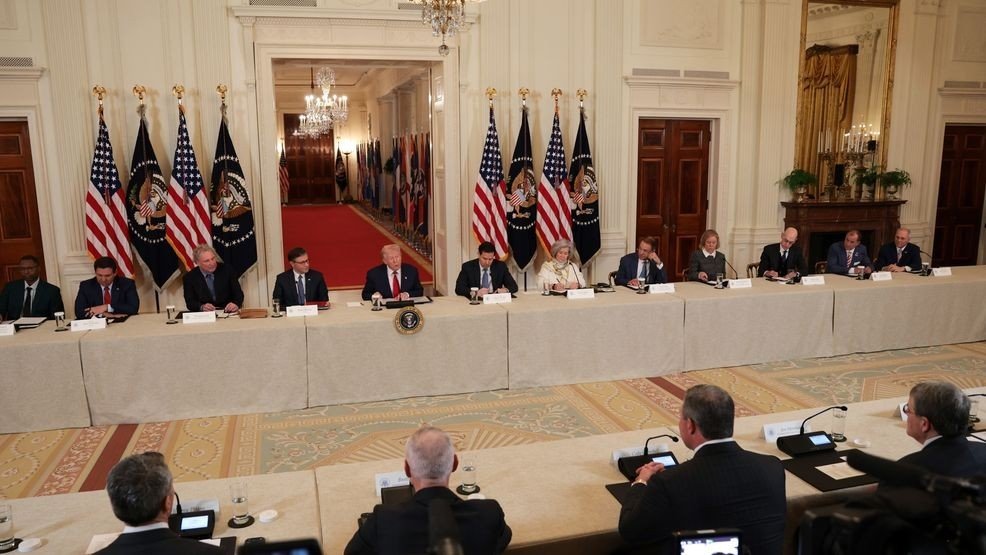
The executive order, announced during a high-profile event attended by former coaches, athletes, and sports executives, focuses on stabilizing the rapidly changing landscape of college athletics. According to administration officials, the order is designed to protect smaller athletic programs, create national standards for NIL (Name, Image, and Likeness) deals, and prevent what Trump described as the “professionalization” of college sports.
Over the last few years, college athletics have undergone a dramatic transformation. Since NIL rules were introduced, student-athletes across football, basketball, and other sports have been allowed to profit from endorsements and sponsorships. While many athletes have benefited financially, critics argue the current system has created chaos, especially for smaller schools unable to compete with wealthy programs offering massive NIL opportunities.
Trump said the executive order is intended to restore “competitive balance” and preserve traditional college rivalries and athletic programs. He also warned that without federal involvement, many non-revenue sports could disappear as universities redirect funding toward football and basketball programs.
The NCAA has repeatedly called for federal legislation to create nationwide NIL guidelines, arguing that the current patchwork of state laws has made enforcement nearly impossible. Trump’s action could increase pressure on Congress to move faster on college sports reform.
Reaction across the sports world has been immediate and divided. Supporters believe federal oversight could finally bring structure to a system many describe as out of control. Others, however, argue the order could limit athletes’ earning potential and reduce freedoms that players fought years to obtain.
Several current and former athletes criticized the move on social media, saying college players deserve the same market opportunities as coaches, schools, and television networks that generate billions from college sports every year. Meanwhile, some university administrators welcomed the executive order, saying the current NIL environment has become unsustainable.
The announcement also arrives during a critical period for the NCAA, which continues to battle lawsuits and public scrutiny over athlete employment rights and revenue sharing. Legal experts believe any major federal action involving college sports could eventually face court challenges depending on how regulations are enforced.
For now, Trump’s executive order instantly becomes one of the most talked-about developments in the sports world. Whether it truly “saves college sports” or sparks an even bigger fight over athlete rights may define the next era of the NCAA and college athletics in America.
